Careers at Etihad
It’s an exciting time to work for Etihad. We’re transforming the aviation industry through creativity and innovation, pushing the boundaries to create a world of thoughtful choices for our guests on every journey.
And just as we aspire to create meaningful experiences for our guests, we’re as equally as committed to delivering a remarkably thoughtful employee experience.
Know that a career at Etihad is a choice well made. By joining the Etihad family, you’ll have the opportunity to own and grow your career, be developed and supported to unlock your potential and be part of a team powered by extraordinary people, just like you.
If you’re passionate about bringing the world to Abu Dhabi and making a meaningful impact, come on board and let your career take flight.
-
Who we are?
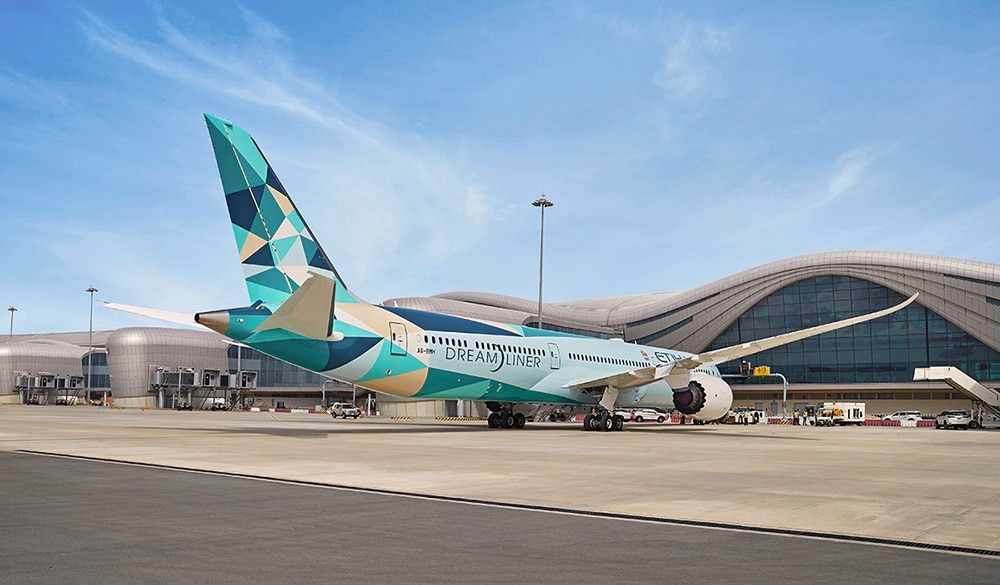
Since 2003, we've evolved from a regional carrier into a global industry challenger, with an unshakeable belief that the future of aviation is sustainable, and it begins with us.
We're a diverse aviation business with a dynamic global network and an ambition to offer an unmatched proposition for our guests.
We're an award-winning airline recognised as an industry leader reinventing the way the world travels.
-
Why Etihad?
First and foremost, we’re a people business, meaning we’re driven by our talent – individuals like yourself, and it’s our people who make us who we are.
And we recognise that people are unique, so we ensure that our employees have exceptional choices based on what they value most.
From our wellbeing programmes to our career development initiatives to the benefits you really care about, Etihad wants to support you to be at your best.
So, if you’re seeking a diverse, dynamic and downright rewarding experience where no two days are ever the same, Etihad is the place for you.


-
Join Our Talent Network
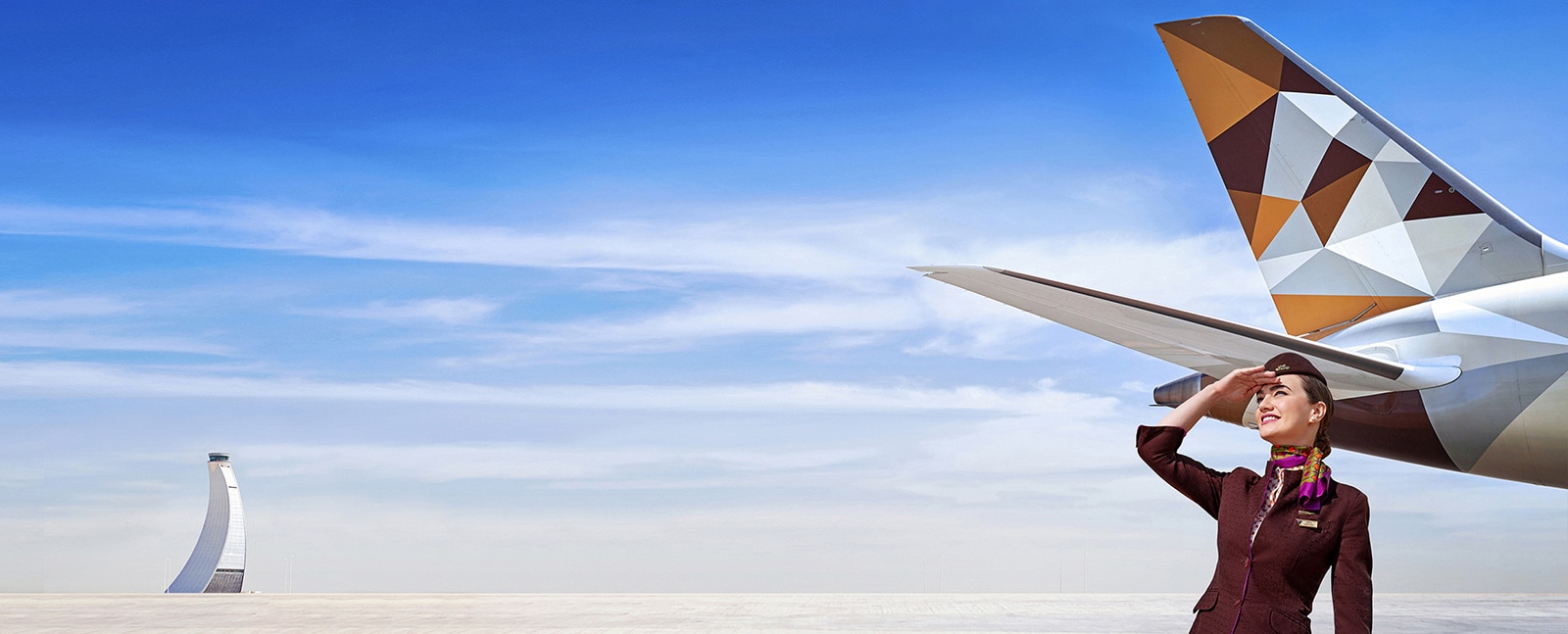
Etihad is where careers take flight, and our mission is to attract, retain and grow the best talent.
That’s why we’re always looking for incredible people to become part of the Etihad family.
Join Our Talent Network

-
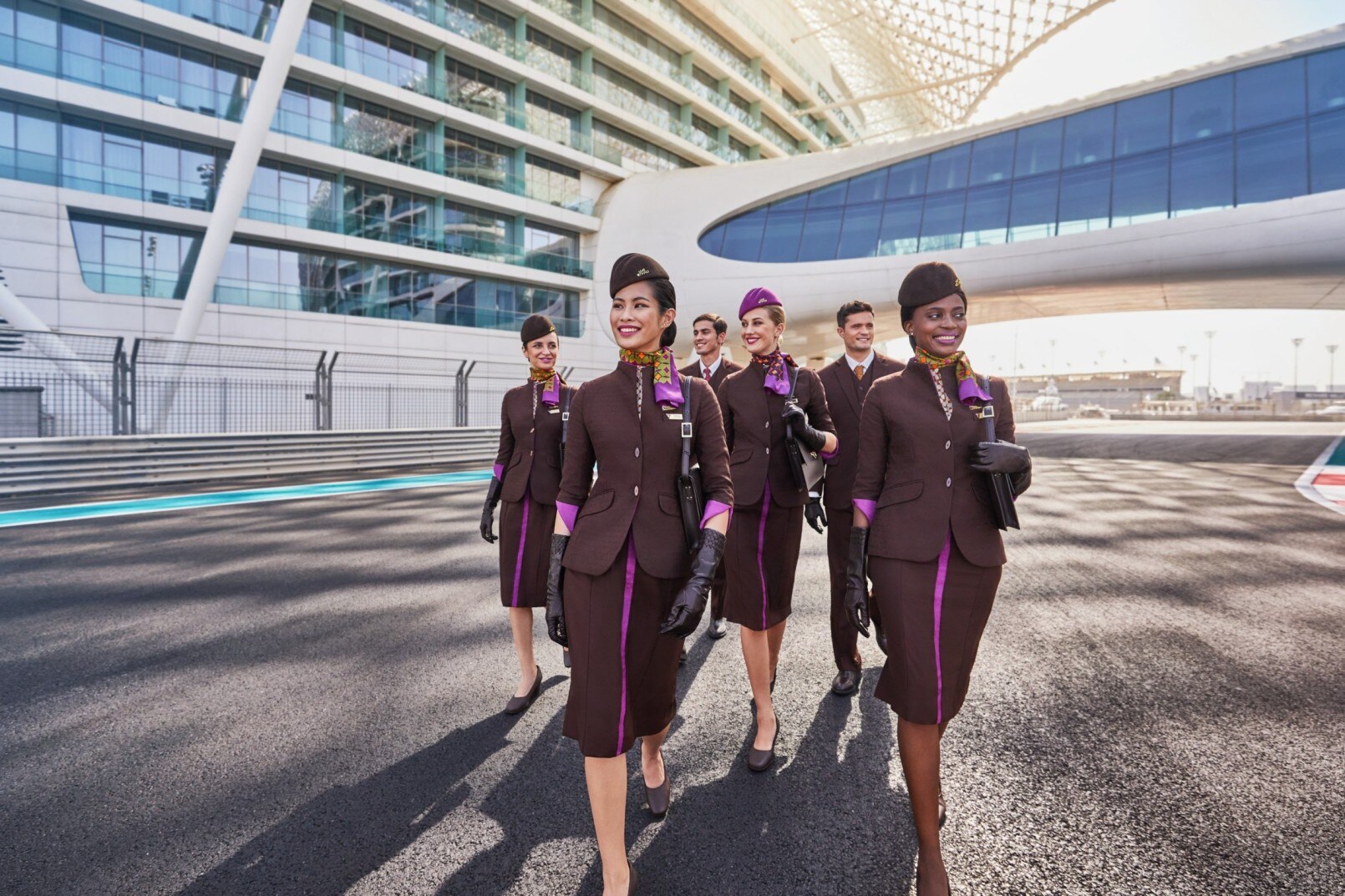
Cabin Crew- Upcoming Open Day Event
Location- Portugal, Date -29th Feb
Address -Lisbon Hyatt Regency Lisboa Rua da Junqueira 65, Lisbon, 1300-343, Portugal,Contact no:- +351 21 482 9123
_______________________________________________________________________________
Location- Italy, Date -05th March
Address-Rome Radisson Blu Ghr Rome Via Domenico Chelini, 41, 00197, Rome, Italy +39 390 680 2291
_________________________________________________________________________
-


